

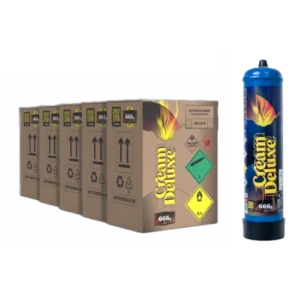
Whipped cream is one of the most versatile elements in a dessert kitchen. It can be used as a simple topping, a decorative finish, a filling component, or a way to soften stronger flavors such as coffee, chocolate, or citrus. Because it works across so many menu categories, dessert businesses often look for ways to prepare it efficiently while still keeping presentation and texture consistent.
Cream-charger systems can support this kind of menu flexibility when they are used correctly for culinary purposes. For cafes, bakeries, restaurants, and dessert bars, the real value is not limited to producing plain whipped cream. A well-planned system can support several menu ideas while helping staff maintain a repeatable preparation process.
Build Better Finishes for Cakes and Pastries
Cakes and pastries often need a finishing element that adds both texture and visual appeal. Whipped cream can provide a lighter alternative to heavier frostings and can work especially well with sponge cakes, fruit desserts, chocolate pastries, and layered items.
A controlled dispensing system can help staff create similar decorative finishes from one serving to the next. This may be useful when a bakery needs to prepare multiple slices quickly without sacrificing appearance.
Products such as galaxy gas are associated with culinary cream-charger applications where compatible equipment is used to aerate suitable mixtures. When used according to manufacturer directions, this type of setup can help kitchens produce smooth, consistent toppings for a range of dessert presentations.
Add More Interest to Hot and Cold Drinks
Whipped cream is not limited to plated desserts. It is also widely used on beverages, especially in cafes and specialty drink shops. Hot chocolate, coffee drinks, milkshakes, iced beverages, and dessert-style drinks can all benefit from a carefully portioned cream topping. The contrast between a warm or cold drink and a light whipped finish can improve both appearance and mouthfeel.
Businesses can also adapt cream flavors to match the beverage. Vanilla may work well with coffee, while chocolate or caramel flavors can complement richer drinks. Seasonal options can be introduced without redesigning the entire menu.
Use Whipped Components in Layered Desserts
Layered desserts offer another opportunity to use aerated cream creatively. Parfaits, trifles, dessert cups, and layered puddings often combine several textures in one serving. A whipped component can help separate denser layers such as cake, custard, fruit, or chocolate. It can also create visual contrast when served in a transparent glass or cup. Because these desserts often rely heavily on presentation, consistency is important. Similar layer thickness and portion sizes help each serving look intentional rather than improvised.
Create Flavor Variations Without Overcomplicating Prep
One of the easiest ways to expand a dessert menu is to vary the flavor of a familiar base. A neutral whipped cream mixture can sometimes be adapted with ingredients such as cocoa, coffee, vanilla, cinnamon, or fruit-based flavoring, depending on the recipe and equipment requirements.
A culinary product such as Exotic whip can be used within an appropriate cream-charger setup for food preparation. This can support kitchens that want to develop multiple whipped components while keeping the general preparation method organized.
The key is to keep recipes simple enough for staff to repeat accurately. Too many complicated variations can slow down service and increase the chance of mistakes.
Improve the Presentation of Simple Desserts
Not every dessert needs to be complex. In many cases, presentation can transform a basic item into something that feels more complete. A scoop of ice cream, a slice of pie, fresh berries, waffles, or pancakes can all look more appealing with a neat whipped finish and a small garnish. The addition does not need to be large to have an effect.
Using a consistent technique also helps businesses create a recognizable visual style. Customers may begin to associate a particular presentation with the brand itself.
Balance Creativity With Kitchen Practicality
Creative menus are useful only when the kitchen can support them. Every new topping or variation adds another ingredient, preparation step, or storage requirement. For that reason, dessert businesses should choose ideas that fit their staffing levels and available workspace. A small menu of well-executed whipped components is often more effective than a long list that becomes difficult to manage.
Staff training is equally important. Everyone using cream-dispensing equipment should understand proper handling, storage, cleaning, and food-safety requirements.
Conclusion
Whipped cream can play many roles across a modern dessert menu, from decorating cakes to finishing drinks and adding contrast to layered desserts. Its versatility makes it useful for businesses that want to expand presentation and flavor without introducing completely new production systems.
Cream-charger equipment can support these goals when used responsibly and according to culinary instructions. By combining clear recipes, consistent portions, careful flavor choices, and proper kitchen practices, businesses can use whipped components creatively while keeping daily preparation organized and manageable.