

Meat packaging needs speed, care and clean handling. Every pack must protect freshness, hold its shape and seal well. At the same time, food producers face pressure to meet orders on time and cut waste. Modern packaging systems help balance these needs. They can handle steady production while keeping each pack neat and secure. Better control also helps reduce delays, limit product loss and support safe handling from the packing line to the shop shelf.
How Continuous Motion Changes Packaging
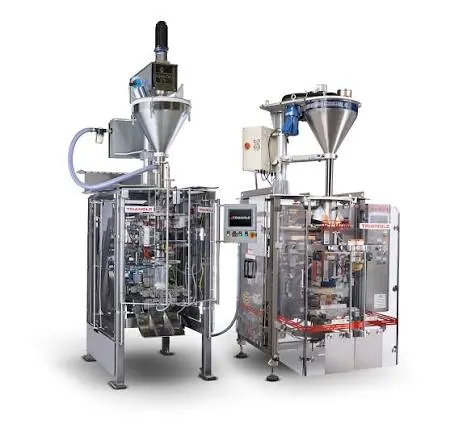
Traditional machines may pause during parts of the packing cycle. Continuous systems keep the film moving as bags are formed, filled and sealed. This can help raise output without adding extra packing stations. A continuous motion vertical form fill seal system uses a roll of film to make bags around the product, then seals each pack as the process moves forward. With the right setup, producers can pack more units in less time and keep the line running smoothly.
Keeping Meat Fresh And Safe
Fresh meat needs careful handling because it can spoil when exposed to poor storage conditions. Packaging plays a key role in keeping outside air, dirt and moisture away from the product. Strong seals help protect the pack during storage and transport. Modern systems can also work with suitable films designed for chilled or frozen products. The correct settings matter, too. Heat, film speed and seal pressure must match the packaging material to help prevent leaks and weak seals.
Better Control On Busy Lines
Meat comes in many forms, from mince and diced cuts to steaks and sliced portions. Each product may need a different pack size, film type or filling method. Well-set meat packaging machines help teams manage these needs with less manual work. Sensors and simple controls can help monitor film movement, product flow and sealing. When settings are easy to adjust, staff can change between product runs more quickly. This helps reduce avoidable stops and keeps daily production more predictable.
Reducing Waste And Running Costs
Packaging waste can build up when bags are poorly formed, seals fail, or film feeds unevenly. A well-maintained system helps control these problems. Accurate film movement can reduce offcuts, while steady sealing helps lower the number of rejected packs. Faster production may also reduce the time and labour needed for large orders. Still, speed alone is not enough. Producers should check cleaning needs, energy use, spare part access and service support before choosing a machine. These details affect long-term costs.
Choosing The Right System
The best equipment depends on the product, pack size, target output and working space. A plant handling chilled portions may have different needs from one packing frozen meat. Before buying, teams should review film options, cleaning access, changeover time and seal quality. A trial with real products can reveal issues that a brochure may miss. Staff training is also important. When operators understand the controls and routine checks, they can spot faults early and help keep the line in good working order.
Conclusion
Continuous packaging technology gives meat producers a practical way to improve speed, consistency and control. It can reduce waste, support reliable seals and help teams meet changing order demands. However, results depend on choosing equipment that suits the product and the working environment. Film choice, cleaning routines, operator training and regular maintenance all matter. By reviewing these factors before investing, food businesses can build a more dependable packing process and protect product quality from the production line to delivery.