

In this case, a drop of microliter can ruin months of work, and the absence of a drop of microliter can nullify some important data. Accuracy in fluid management is not an option, and it is inherent. This article discusses the benefits of controlled infusion technology in improving laboratory accuracy, increasing efficiency of workflow and scientific innovation by having reliable and programmable delivery systems engineered to perform exactly as required.
Growing Demand for Accuracy
The scientific studies still need stricter requirements and reproducible methods. Manual pipetting, which is useful, introduces variability with time. Automated systems of infusion alleviate these variations by ensuring the constant flow rate during experiments. Laboratories are putting more emphasis on equipment that is able to maintain consistent delivery, particularly when dealing with sensitive compounds, reactive chemicals or high-cost biological samples.
Engineering Behind Controlled Infusion
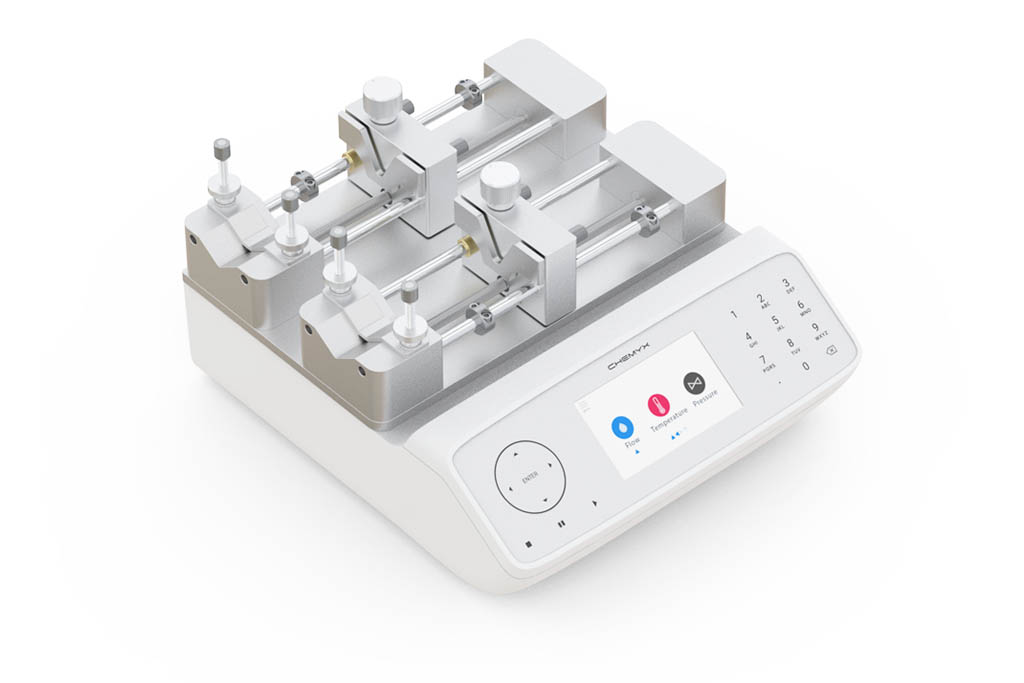
The Syringe Pump is a motorised drive mechanism that is used to move a syringe plunger at a preset speed. This is a regulated circulation that provides very precise injection and drawing patterns. A programmable Syringe Pump would enable the researcher to specify parameters of flow rate, volume and timing, which provides a consistent operation that can be used in both simple procedures and more complex multi-step protocols.
Broad Laboratory and Industrial Applications
The Syringe Pump is used in modern research institutions in drug discovery research and also in microfluidics. The Syringe Pump is used in pharmaceutical laboratories in controlled compound testing to administer required dosages during drug testing. They have the advantage of their constant dosing properties in chemical engineering processes, whereas biotechnology studies require the use of infusion to achieve sterile and repeatable experimental conditions.
Advantages of Experimental Consistency
Reproducibility is one of the greatest advantages of precision infusion systems. The continuous flow leads to less variation in experiments, which enhances reliability in data. Automated routines that are programmable allow less human control and fewer errors. The constant rates of infusion also prevent sudden changes in sensitive reactions so that the reaction, cell study or analysis is in favourable conditions.
Efficiency Through Automation Integration
Automation does not affect the control of laboratories. Digital monitoring tools are incorporated into modern systems with the ability to adjust in real-time and track the data. Infusion cycles can be scheduled by the researchers, which is time-saving to conduct analysis. The display interfaces are clearly visible, thus simplifying parameter setup, making the system available even to complex research work that may take long periods to be operational.
Critical Considerations Before Purchase
The choice of the right system is based on the evaluation of flow range, syringe compatibility, and accuracy criteria. The laboratories are supposed to evaluate the requirements of the experiment, which includes the volume requirement and compatibility of materials. The intermediate value also depends on the durability and stability of calibration. Technical feature scrutiny will result in alignment of technical features with the operational objectives, as well as enable uniform and predictable fluid management results.
Conclusion
Modern research and industrial success are based on the accurate control of fluids. Constant infusion devices improve reproducibility, efficiency, and confidence of experiments with challenging uses. To get more precise systems and specifications, visit chemyx.com to find out reliable solutions to precision that are based on scientific requirements. The role of data integrity and the enhancement of workflow reliability are reinforced by investing in programmable infusion technology, and contribute to the high standard of requirements in the current research settings, which are falling and changing.